


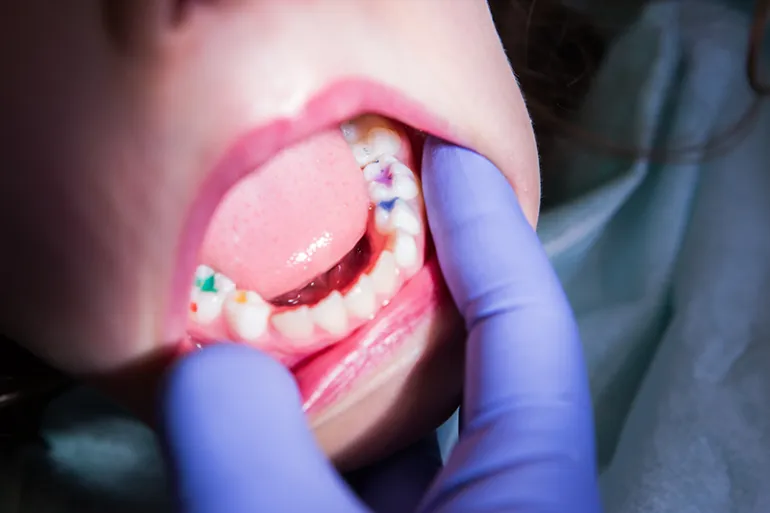
Good oral hygiene habits start early, and as parents, ensuring your child’s teeth are protected from cavities is a top priority. While regular brushing and flossing play a crucial role in maintaining oral health, sometimes they are not enough to prevent tooth decay, especially in hard-to-reach mouth areas. This is where dental sealants come in. Dental sealants are a simple yet highly effective way to protect children’s teeth from cavities and long-term dental issues.
What Are Dental Sealants?
 Dental sealants are thin, protective coatings applied to the chewing surfaces of the back teeth (molars and premolars). These teeth have grooves and fissures that can easily trap food particles and bacteria, making them more susceptible to cavities. Sealants fill these grooves and create a smooth surface, which helps prevent the accumulation of plaque and bacteria.
The application process is quick, painless, and non-invasive. A pediatric dentist will clean the tooth surface, apply a special gel to help the sealant bond to the tooth, rinse it off, and then apply the liquid sealant, which is hardened using a special curing light. The procedure takes just a few minutes per tooth and provides years of protection.
Why Are Dental Sealants Important for Kids?
Children are at a higher risk of developing cavities due to their diet, oral hygiene habits, and the natural structure of their teeth. Here’s why dental sealants are essential for kids:
1. Protection Against Cavities
Molars have deep grooves that are difficult to clean, even with thorough brushing. Bacteria and food particles accumulate in these areas, increasing the risk of tooth decay. Sealants act as a barrier, preventing bacteria from settling in the grooves and significantly reducing the likelihood of cavities.
2. Reducing the Need for Fillings and Restorations
If left untreated, cavities require fillings or even more extensive treatments like root canals and dental crowns. By applying sealants early, parents can help prevent cavities from forming, reducing the need for future dental procedures that may be more expensive and uncomfortable for children.
3. Painless and Quick Application
Unlike other dental treatments, getting sealants is entirely pain-free. There’s no drilling, no anesthesia, and no discomfort involved. The procedure is so quick that it can be done during a regular dental check-up, making it a hassle-free preventive measure for parents and kids alike.
4. Long-Lasting Protection
Dental sealants can last up to 10 years with proper care. Regular dental check-ups ensure the sealants remain intact and can be reapplied if necessary. This long-term protection helps children maintain healthy teeth well into their teenage years.
5. Cost-Effective Prevention
Preventive care is always more affordable than corrective treatments. The cost of dental sealants is significantly lower than the cost of treating cavities, dental fillings, or tooth extractions. Many dental insurance plans cover sealants, recognizing their effectiveness in preventing tooth decay.
6. Encouraging Better Oral Health Habits
When children receive sealants, they are reminded of the importance of oral health. Parents and pediatric dentists can use this opportunity to educate children on proper brushing and flossing and the importance of regular dental visits. This reinforcement helps establish lifelong healthy dental habits.
Who Should Get Dental Sealants?
 Dental professionals recommend sealants for children when their permanent molars come in, usually between 6 and 12. Some children may also benefit from sealants on their baby teeth, especially if they have deep grooves and a higher risk of cavities.
Sealants are beneficial for:
- Children with a history of cavities
- Kids who have difficulty maintaining proper oral hygiene
- Those who consume a diet high in sugary or sticky foods
- Children with deep grooves and pits in their molars
Are Dental Sealants Safe?
Yes, dental sealants are safe. They have been used for decades and are endorsed by major dental organizations, including the American Dental Association (ADA) and the Centers for Disease Control and Prevention (CDC). Some concerns about bisphenol A (BPA) in sealants have been raised, but research shows that the levels are extremely low and pose no health risk. Children are exposed to more BPA through food, air, and household items than dental sealants.
How to Maintain Dental Sealants
While sealants provide excellent protection, they are not a good oral hygiene substitute. To ensure they last as long as possible, follow these tips:
- Encourage your child to brush twice a day with fluoride toothpaste
- Teach them to floss daily to remove plaque between teeth
- Schedule regular dental check-ups every six months
- Avoid chewing hard foods like ice or sticky candies that can damage sealants
Dental sealants are a simple, safe, and cost-effective way to protect your child’s teeth from cavities. They shield against harmful bacteria and food particles by sealing the grooves in molars. Sealants are a wise investment in your child’s oral health, given their long-lasting protection, pain-free application, and affordability.
If you haven’t considered dental sealants for your child, now is the perfect time to discuss this option with your pediatric dentist. Call us at 80037569 to book an appointment with our specialist pediatric dentist at Dr Joy Dental Clinics. Preventive care today can lead to a lifetime of healthier smiles!


