



Orthodontic treatment with braces is a carefully planned biological process where gentle, continuous pressure gradually shifts teeth into their correct positions. While brackets, wires, and aligners do the mechanical work, the speed, comfort, and success of tooth movement are strongly influenced by diet and nutrition. What you eat during treatment can either support healthy tooth movement or slow down progress by causing complications such as broken brackets, poor oral hygiene, or nutritional deficiencies.
Understanding the relationship between diet and orthodontics helps patients achieve better results, fewer emergencies, and a shorter overall treatment time.
Why Diet Matters During Braces Treatment
When braces are placed on teeth, they apply controlled force that stimulates bone remodeling. This process allows teeth to move through the jawbone into a new alignment. However, this system is delicate.
Certain foods can interfere in two major ways
- Mechanical damage to braces
- Biological impact on teeth and bone movement
Hard, sticky, or sugary foods can damage orthodontic appliances or create an oral environment that slows down healing and movement. Studies show that poor dietary choices can lead to frequent breakages, emergency visits, and delayed treatment timelines.
Even small disruptions like a loose bracket can pause tooth movement until repairs are done, extending treatment duration.
Hard Foods and Their Impact on Tooth Movement
 Hard foods such as nuts, ice, hard candies, and raw vegetables can create excessive pressure on braces. This pressure can break bracket, bend archwires or dislodge attachments.
When this happens, the controlled force needed for tooth movement is disrupted. Instead of gentle, consistent pressure, teeth experience irregular forces, which slows down progress. For example, biting into whole apples or crunchy snacks may seem harmless, but they can easily cause appliance damage. Patients are often advised to cut harder foods into small pieces or choose softer alternatives to avoid these issues.
Problems due to Sticky and Chewy Foods
Sticky foods like caramel, chewing gum, toffee, and gummy sweets are especially problematic for braces wearers. These foods tend to cling to brackets and wires, making them difficult to clean.
They can pull brackets off teeth, increase plaque accumulation or make oral hygiene more difficult. When plaque builds up around braces, it increases the risk of inflammation and cavities. This can interrupt orthodontic treatment since dental health must be stable before continuing adjustments. Sticky foods are one of the most common causes of emergency orthodontic visits because of how easily they damage appliances.
Effects of Sugar and Acid
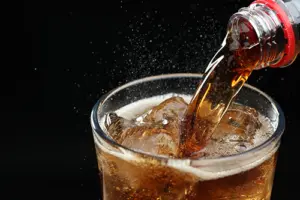 Diet doesn’t only affect braces mechanically, it also affects the biological environment where tooth movement happens. High sugar intake increases bacterial activity in the mouth, leading to plaque buildup and tooth decay. Acidic foods and drinks like soda, citrus juices, and energy drinks can erode enamel.
These issues matter because
- Cavities must be treated before continuing orthodontic adjustments
- Inflamed gums respond poorly to orthodontic forces
- Weak enamel increases sensitivity during tooth movement
In some cases, untreated decay or gum disease can pause orthodontic treatment entirely.
Nutrition and Bone Remodeling
Tooth movement happens when pressure from braces stimulates bone breakdown on one side of the tooth and bone formation on the other. This process requires a steady supply of nutrients.
Key nutrients for effective tooth movement
- Calcium: Strengthens teeth and bones, supporting response to orthodontic forces
- Vitamin D: Helps the body absorb calcium, essential for bone remodeling
- Vitamin C: Supports gum health and reduces inflammation around braces
- Protein: Aids in tissue repair, especially after adjustments
Proper nutrition can influence bone metabolism and the efficiency of tooth movement. A balanced diet leads to smoother, more predictable orthodontic results. Poor nutrition may slow down the tooth movement process.
Soft diet for comfort after adjustments
- Teeth may become sensitive following orthodontic adjustments
- A soft diet helps reduce discomfort and pressure on teeth
Recommended soft foods
 Yogurt
 - Mashed potatoes
- Soups
- Pasta
- Smoothies
- Scrambled eggs
Soft foods provide essential nutrients while minimizing stress on teeth
These foods reduce stress on teeth while still providing essential nutrients. They also help patients continue eating comfortably without interrupting treatment progress. A soft diet does not slow tooth movement, in fact, it can improve compliance by reducing pain and preventing damage to braces.
Hydration and Oral Health
Water plays a surprisingly important role in orthodontic success. Staying hydrated
- Washes away food particles stuck in braces
- Reduces bacterial growth
- Maintains saliva flow, which protects enamel
- Helps prevent dry mouth and bad breath
Sugary drinks like sodas and juices should be minimized because they increase the risk of cavities and enamel damage. Water remains the safest and most orthodontic-friendly beverage throughout treatment.
How Poor Diet Can Delay Treatment
Improper diet can slow down orthodontic progress in several ways
- Frequent appliance breakage causing treatment pauses
- Increased plaque buildup resulting in gum disease risk
- Cavities that end up in need for dental treatment before continuing
- Poor nutrition that slower bone remodeling response
In many cases, patients who follow dietary restrictions consistently experience smoother and faster treatment compared to those who do not.
Even small habits, like avoiding chewing ice or cutting hard foods, can reduce treatment time significantly.
Best Dietary Practices During Braces
 To support efficient tooth movement, orthodontists generally recommend
- Eating softer foods during the first few days after adjustments
- Avoiding sticky, hard, and crunchy foods
- Maintaining a nutrient-rich diet with calcium, vitamins, and protein
- Drinking plenty of water
- Practicing excellent oral hygiene after every meal
These habits protect both the braces and the teeth, ensuring that orthodontic forces work effectively.
Every patient’s nutritional needs and treatment plan are different, and the right guidance can make a noticeable difference in your progress. If you’d like personalized advice on a braces-friendly diet or have specific concerns about your treatment, feel free to share your requirements with our specialist orthodontists at Dr Joy Dental Clinic are here to help you achieve the best possible outcome for your smile. Contact us today at 80037569 to book an appointment with our orthodontic specialists.


