


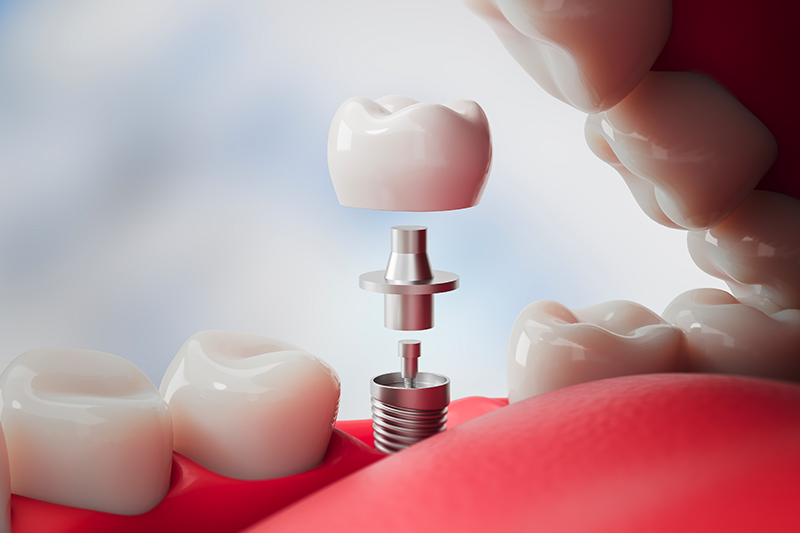
If your dental implant came loose, do not panic, but take action quickly. A loose implant should be checked by your dentist or implant specialist as soon as possible.
Steps to Take:
1. Do Not Move or Touch the Implant
Avoid wiggling it with your tongue or fingers, as this can worsen the problem.
2. Contact Your Dentist Immediately
Schedule an appointment to determine whether the issue is with the implant, crown, or abutment.
3. Avoid Chewing on That Side
Eat soft foods and reduce pressure on the affected area until it is examined.
4. Maintain Good Oral Hygiene
Continue gentle brushing and cleaning around the area to prevent infection.
5. Do Not Try to Fix It Yourself
Never attempt to tighten or remove the implant at home.
A loose implant may be caused by a loose dental crown, damaged components, infection, bone loss, or implant failure. Early evaluation can often prevent further complications and help protect your dental implants and long-term tooth restoration.
Are you feeling slightly loose implant when you touch it with your tongue, or you notice movement while chewing. A loose dental implant can be alarming, especially after investing time and effort into restoring your smile.
Dental implants are considered one of the most reliable solutions for replacing a missing tooth, offering a strong and natural-looking alternative to traditional tooth replacement options. However, like any dental treatment, complications can occasionally occur. A loose implant should never be ignored because early diagnosis can prevent further problems and improve the chances of successful treatment.
If your dental implant came loose, the first step is to stay calm and contact your implant specialist for an evaluation. The cause of the looseness determines the appropriate solution.
Let’s see the various reasons why dental implants become loose, what you should do immediately, possible treatments, and how to protect your tooth restoration investment.
Is It Normal for a Dental Implant to Feel Loose?
No. A properly placed and healed dental implant should feel stable, similar to a natural tooth.
Unlike natural teeth, which have a periodontal ligament allowing slight movement, dental implants are directly connected to the jawbone through a process called osseointegration. This creates a strong foundation.
If your implant feels loose, it may indicate:
- A loose crown or abutment
- Damage to the implant components
- Infection around the implant
- Bone loss around the implant
- Problems with the implant integration process
A dental professional must determine the exact cause before recommending treatment.
Why Do Dental Implants Become Loose?
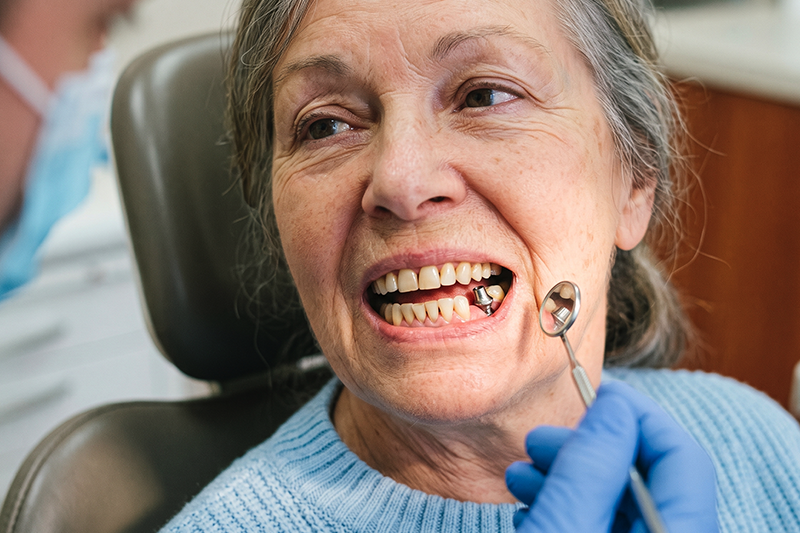 There are several reasons why dental implants may become loose. Understanding the cause helps determine the right treatment.
1. Loose Dental Crown or Abutment
In some cases, the implant itself is stable, but the crown or abutment attached to it becomes loose.
This may happen due to:
- Normal wear over time
- Excessive biting pressure
- Loose screws
- Damage to the restoration
Symptoms may include:
- Movement of the crown
- Clicking sensation
- Feeling that the tooth is unstable
- Discomfort while chewing
The solution may be as simple as tightening or replacing the loose component.
2. Implant Failure Due to Lack of Bone Integration
For an implant to remain stable, it must properly fuse with the jawbone. This process is called osseointegration.
If the implant does not successfully integrate, it may become mobile.
Possible reasons include:
- Insufficient bone support
- Infection during healing
- Excessive pressure before healing is complete
- Smoking
- Certain medical conditions
In such cases, the dentist may need to remove the implant, allow healing, and consider replacement options.
3. Peri-Implantitis (Infection Around the Implant)
One of the most common long-term complications affecting implants is peri-implantitis.
This condition involves inflammation and infection around the implant area, causing damage to the supporting bone.
Signs may include:
- Red or swollen gums
- Bleeding around the implant
- Bad breath
- Gum discomfort
- Implant movement
Without treatment, infection can weaken the foundation supporting the implant.
4. Bone Loss Around the Implant
Dental implants require adequate bone support to remain stable.
Bone loss may occur because of:
- Untreated gum infection
- Poor oral hygiene
- Excessive bite forces
- Natural changes after tooth loss
If significant bone loss occurs, additional procedures such as bone grafting may be required before another implant can be placed.
5. Excessive Pressure on the Implant
Dental implants are strong, but they are not indestructible.
Excessive forces caused by:
- Teeth grinding
- Jaw clenching
- Incorrect bite alignment
- Chewing hard foods can place stress on the implant components.
Patients who grind their teeth may require a protective night guard to reduce pressure.
6. Trauma or Injury
A direct impact to the mouth can affect implants, just like natural teeth.
Sports injuries, accidents, or falls may damage:
- The crown
- The abutment
- The implant structure
- Surrounding bone
A dental examination is necessary after any significant impact.
How Does a Dentist Diagnose a Loose Dental Implant?
During your appointment, your dentist will perform a detailed evaluation.
The assessment may include:
Clinical Examination
The dentist checks:
- Implant movement
- Gum condition
- Signs of infection
- Bite pressure
Dental X-rays or 3D Imaging
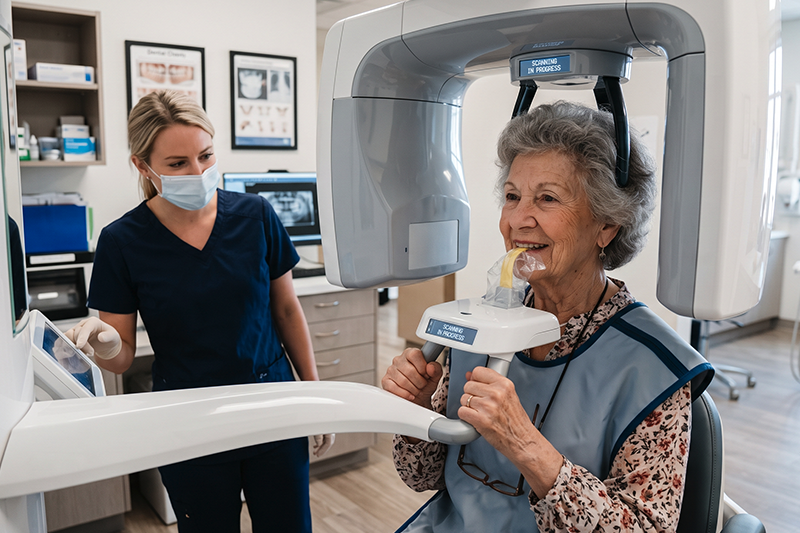 Imaging helps evaluate:
- Bone levels around the implant
- Implant position
- Possible infection
- Structural problems
Implant Stability Testing
Special dental instruments may be used to measure implant stability and determine whether the implant is properly integrated.
Treatment Options for a Loose Dental Implant
Treatment depends on whether the problem involves the crown, abutment, or implant itself.
Tightening or Replacing the Crown
If only the crown is loose, your dentist may:
- Tighten the implant screw
- Replace damaged components
- Adjust the bite
This is usually a simple correction.
Treating Infection Around the Implant
If infection is present, treatment may involve:
- Professional teeth cleaning
- Antibacterial therapy
- Deep cleaning around the implant
- Regenerative procedures in some cases
Early treatment improves the possibility of saving the implant.
Bone Regeneration Procedures
If bone loss has occurred, procedures such as bone grafting may help rebuild support around the implant.
Removing and Replacing the Implant
In cases where the implant itself has failed, removal may be necessary.
After healing, your dentist can evaluate whether a replacement implant or another tooth restoration option is appropriate.
Can a Loose Dental Implant Be Saved?
In many cases, yes but it depends on the cause.
A loose crown can often be repaired easily. However, if the implant fixture itself has lost bone support or failed to integrate, more extensive treatment may be required.
The sooner you seek professional care, the better the chance of protecting your implant.
How to Prevent Dental Implant Problems
Proper care can significantly improve the long-term success of your implants.
Maintain Excellent Oral Hygiene
Brush twice daily and clean between teeth using a water flosser or other recommended cleaning tools.
Attend Regular Dental Checkups
Routine visits allow your dentist to identify early signs of implant problems.
Avoid Excessive Pressure
If you grind your teeth, discuss protective options with your dentist.
Follow Post-Treatment Instructions
After implant placement, follow all instructions regarding:
- Diet
- Cleaning
- Medication
- Follow-up visits
Avoid Smoking
Smoking can affect healing and increase the risk of implant complications.
Maintain Good Nutrition
Essential nutrients play an important role in healing and maintaining implant health. Vitamin D3, Calcium, and Vitamin K2 help support bone healing, promote successful implant integration with the jawbone, and enhance the long-term longevity of dental implants. Always consult your dentist or physician before starting supplements.
Smoking can affect healing and increase the risk of implant complications.
Are Dental Implants a Permanent Solution for Missing Teeth?
Dental implants are designed to be a long-lasting solution for replacing a missing tooth. With proper care, many implants can last for decades.
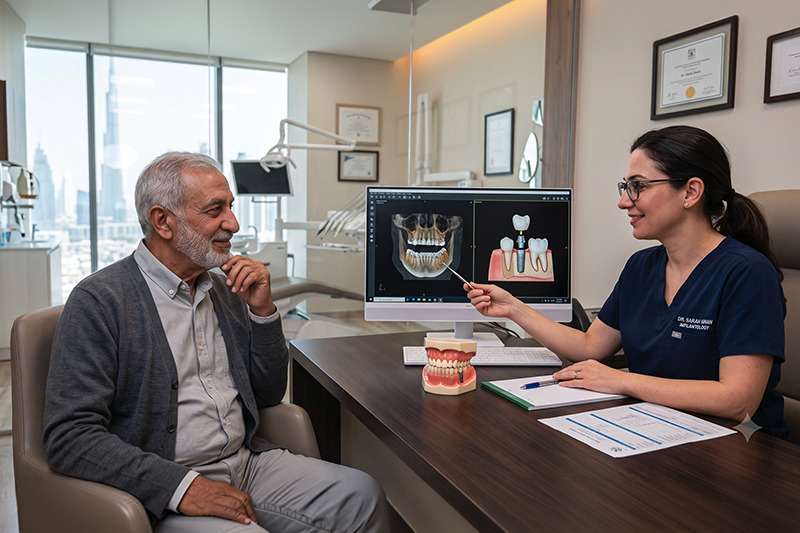 However, their success depends on:
- Healthy gums
- Adequate bone support
- Good oral hygiene
- Regular dental visits
- Proper bite balance
Implants are not maintenance-free, but they are one of the most successful options available for tooth replacement.
A loose dental implant can be concerning, but timely professional evaluation can help identify the problem and prevent further damage. Whether the issue involves the crown, implant components, infection, or bone support, the right treatment can restore stability and function.
Dental implants remain one of the most reliable options for replacing a missing tooth and achieving natural-looking tooth restoration. If your implant feels loose, do not ignore the warning signs, contact us at 80037569 to book an appointment with out implantologist at Dr Joy Dental Clinics.


