


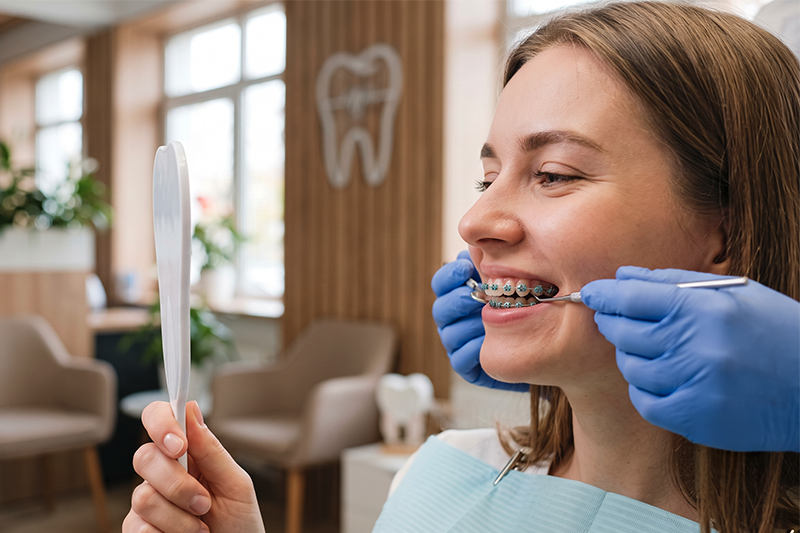
Have you ever avoided smiling in photos because of crooked teeth? Many people feel self-conscious about crowded, overlapping, or misaligned teeth. Crooked teeth are not only a cosmetic concern, they can also affect your oral health, bite function, and confidence. Among all orthodontic solutions, teeth braces remain one of the most trusted and successful methods for straightening teeth and improving bite alignment.
Whether you have mild tooth crowding or more complex alignment issues, braces can gradually move your teeth into their ideal positions. But how exactly do braces work? Are they suitable for everyone? How long does treatment take?
What Causes Crooked Teeth?
Crooked teeth develop when teeth do not have enough space to grow properly or when the upper and lower jaws do not align correctly. Several factors can contribute to crooked teeth, including:
1. Genetics
Your genes play an important role in determining the size of your jaw, the shape of your teeth, and how they grow. If your parents had crowded teeth or bite problems, you may also experience similar orthodontic concerns.
2. Lack of Space in the Jaw
When the jaw is too small to accommodate all teeth, they may overlap, twist, or grow at different angles. This condition is known as dental crowding.
3. Childhood Habits
Certain childhood habits, such as prolonged thumb sucking, tongue thrusting, lip biting or excessive pacifier use, can affect jaw development and lead to misaligned teeth.
4. Missing or Extra Teeth
Missing teeth can cause nearby teeth to shift into empty spaces, while extra teeth can create crowding and alignment problems.
5. Poor Bite Alignment
Problems such as deep bite and scissor bite, and open bite can cause teeth to appear crooked and affect chewing function.
How Braces Fix Crooked Teeth?
Braces can fix crooked teeth by applying controlled pressure to gradually move teeth into their correct positions.
During orthodontic treatment, braces use brackets, wires, and other components to guide tooth movement. Over time, the bone surrounding the teeth naturally adjusts, allowing the teeth to settle into a healthier alignment.
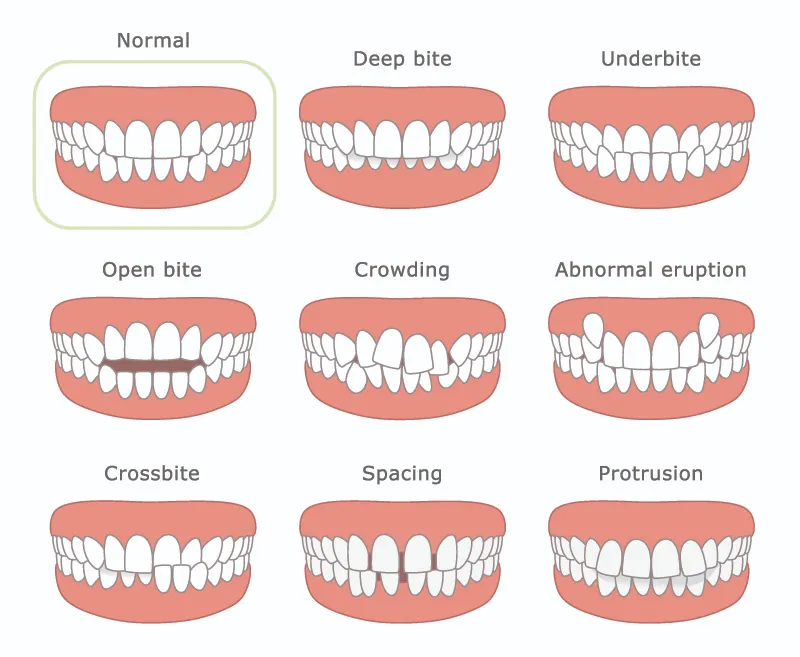
Teeth braces can correct:
- Crowded teeth
- Overlapping teeth
- Gaps between teeth
- Rotated teeth
- Protruding teeth
- Overbite
- Underbite
- Crossbite
- Uneven tooth alignment
The goal of orthodontics is not only to create a straighter smile but also to improve your bite, chewing efficiency, and long-term oral health.
How Do Teeth Braces Work?
Many people wonder how a small wire and brackets can completely transform a smile. The process is based on light and controlled tooth movement.
Step 1: Brackets Are Attached to Teeth
Small brackets are carefully bonded to the front surface of each tooth. These brackets act as handles that allow orthodontists to guide tooth movement.
Step 2: Wires Apply Gentle Pressure
An archwire connects the brackets and applies light and continous pressure. This pressure encourages teeth to slowly move toward their planned positions.
Step 3: Teeth Gradually Shift
The supporting bone and tissues around the teeth adapt as movement occurs. Regular orthodontic appointments allow the orthodontist to adjust the braces and continue progress.
Step 4: Teeth Are Stabilized
After the teeth reach their ideal positions, retainers are used to prevent them from shifting back.
Types of Braces Available for Crooked Teeth
Advances in orthodontics have introduced several types of braces, allowing patients to choose an option that suits their needs, lifestyle, and aesthetic preferences.
1. Traditional Metal Braces
Traditional metal braces are the most commonly used orthodontic treatment option. They consist of metal brackets and wires that effectively correct even complex alignment issues.
Advantages:
- Highly effective
- Suitable for children, teenagers, and adults
- Can treat severe orthodontic problems
- Reliable and predictable results
2. Ceramic Braces
Ceramic braces work similarly to metal braces but use tooth-coloured or clear brackets, making them less noticeable.
Advantages:
- More discreet appearance
- Effective for many alignment issues
- Popular among adults seeking a less visible option
3. Lingual Braces
Lingual braces are placed behind the teeth, making them almost invisible from the outside.
Advantages:
- Hidden appearance
- Customized for individual teeth
- Suitable for patients concerned about aesthetics
4. Clear Aligners
Clear aligners are removable trays designed to gradually move teeth into alignment. They are a popular alternative to traditional braces for certain cases.
Advantages:
- Nearly invisible
- Removable while eating and brushing
- Comfortable for all kinds of patients
However, not every crooked teeth case can be treated with aligners. An orthodontist can determine the most suitable option based on your dental condition.
How Long Does Orthodontic Treatment Take for Crooked Teeth?
The duration of orthodontic treatment varies depending on the severity of the problem, age, and the type of treatment selected.
On average:
- Mild cases: 6–12 months
- Moderate cases: 12–24 months
- Complex cases: 24–36 months or longer
Factors affecting treatment time include:
- Degree of tooth misalignment
- Jaw growth and development
- Patient age
- Type of braces used
- Following orthodontic instructions
- Attending regular appointments
Consistent care and proper oral hygiene can help ensure successful results.
Are Braces Only for Cosmetic Smile Correction?
A common misconception is that braces are only used for improving appearance. While smile correction is an important benefit, orthodontics offers many functional advantages.
Properly aligned teeth can help:
Improve Oral Hygiene
Crooked teeth often create difficult-to-clean areas where plaque and bacteria accumulate. Straight teeth are easier to brush and floss effectively.
Reduce Risk of Tooth Damage
Misaligned teeth may experience uneven pressure during biting, increasing the risk of enamel wear, chips, or fractures.
Improve Chewing Function
A properly aligned bite allows teeth to work together more efficiently while eating.
Support Better Jaw Health
Correcting bite problems can reduce unnecessary stress on jaw muscles and joints.
What Happens During a Braces Consultation?
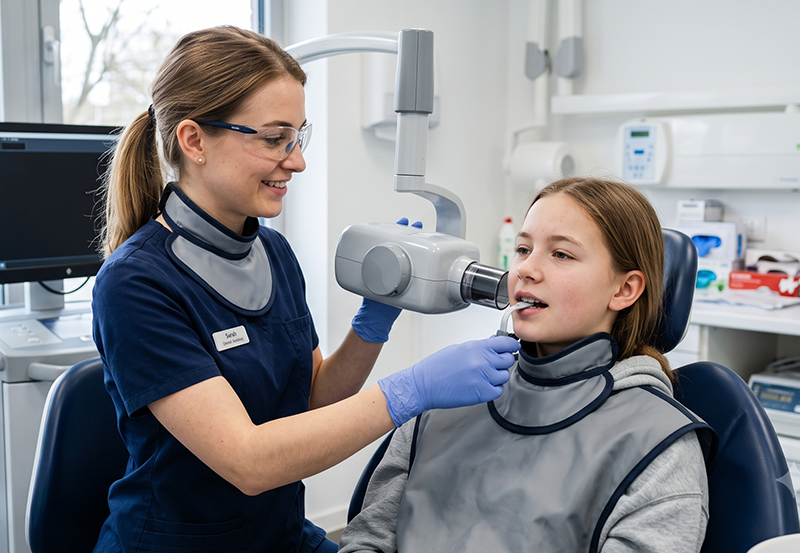 Before starting braces, an orthodontist performs a detailed evaluation to understand your specific needs.
The consultation may include:
- Dental examination
- Digital scans or impressions
- X-rays
- Bite assessment
- Discussion of treatment goals
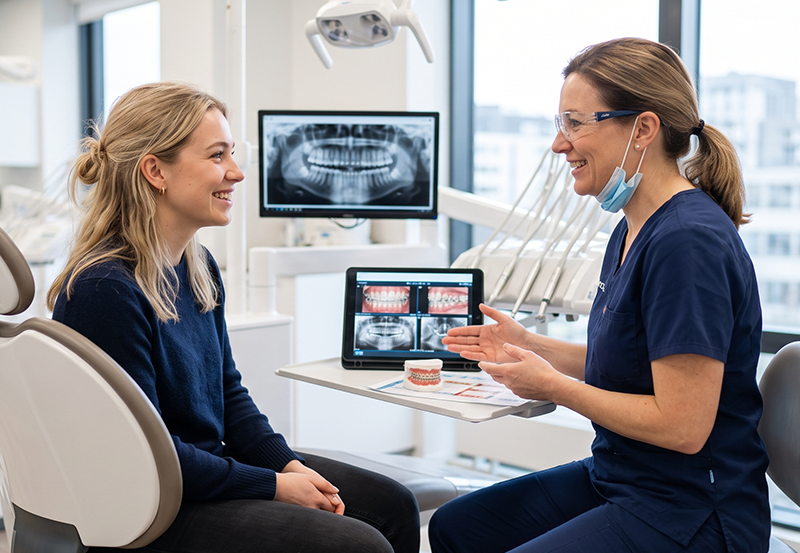
Based on these findings, the orthodontist creates a personalized treatment plan explaining:
- Recommended type of braces
- Expected treatment duration
- Cost considerations
- Results you can expect
Every smile is different, so orthodontic treatment should always be customized.
Are Teeth Braces Painful?
Braces do not usually cause severe pain, but patients may experience mild discomfort when they are first placed or adjusted.
Common experiences include:
- Pressure on teeth
- Mild soreness
- Cheek or lip irritation
- Temporary sensitivity
This discomfort usually improves within a few days. Modern orthodontic techniques focus on making treatment as comfortable as possible.
How to Care for Your Teeth During Braces Treatment?
 Maintaining excellent oral hygiene is essential while wearing braces.
- Brush Carefully
Food particles can easily get trapped around brackets and wires. Brush at least twice daily using a fluoride toothpaste.
- Floss Regularly
Special orthodontic flossing tools can help clean between teeth and around braces.
- Avoid Hard and Sticky Foods
Foods such as hard candies, chewing gum, and ice can damage brackets and wires.
- Attend Regular Orthodontic Appointments
Routine visits allow your orthodontist to monitor progress and make necessary adjustments.
Can Adults Get Braces for Crooked Teeth?
Yes. Orthodontic treatment is not limited to children and teenagers. Many adults choose braces to improve their smile, confidence, and oral health.
Adult orthodontics has become increasingly popular because:
- Treatment options are more comfortable
- Less noticeable braces are available
- Digital orthodontic technology improves planning
- Healthy teeth can be moved at almost any age
If you have crooked teeth, it is never too late to explore smile correction options.
What Happens If Crooked Teeth Are Left Untreated?
Some people delay orthodontic treatment because they believe crooked teeth are only an appearance issue. However, untreated alignment problems may lead to:
- Difficulty cleaning teeth properly
- Increased risk of cavities
- Gum problems
- Uneven tooth wear
- Jaw discomfort
- Difficulty chewing
- Reduced confidence
Early evaluation by an orthodontist can help identify problems and recommend appropriate treatment.
Frequently Asked Questions About Braces for Crooked Teeth
1. Can braces fix severely crooked teeth?
Yes. Braces are one of the most effective treatments for correcting severe tooth misalignment, crowding, and bite problems. Complex cases may require longer treatment periods.
2. What is the best age to get braces?
The ideal age depends on individual dental development. Many children begin orthodontic evaluation around age seven, but adults can also successfully undergo orthodontic treatment.
3. How do I know if I need braces?
You may benefit from braces if you have:
- Crooked or crowded teeth
- Difficulty biting or chewing
- Teeth that overlap
- Gaps between teeth
- Jaw discomfort
- Bite problems
An orthodontic consultation can determine whether braces are suitable for you.
4. Do braces permanently straighten teeth?
Braces create long-lasting results, but wearing retainers after treatment is essential to maintain your new smile.
5. Are braces better than clear aligners?
Both options can be effective. The best choice depends on your specific orthodontic needs, lifestyle, and treatment goals.
Transform Your Smile with Professional Orthodontic Treatment
 Crooked teeth can affect both your confidence and oral health, but modern orthodontics provides safe and effective solutions for achieving a straighter smile. Whether you choose traditional teeth braces, ceramic braces, or another orthodontic option, professional treatment can help create a healthier and more confident smile.
If you are considering braces for crooked teeth, an orthodontic consultation is the first step toward understanding your options. With the right treatment plan, achieving the smile you have always wanted is possible. Contact us today at 80037569 to book a FREE consultation with our Specialist Orthodontists at Dr Joy Dental Clinic.


