


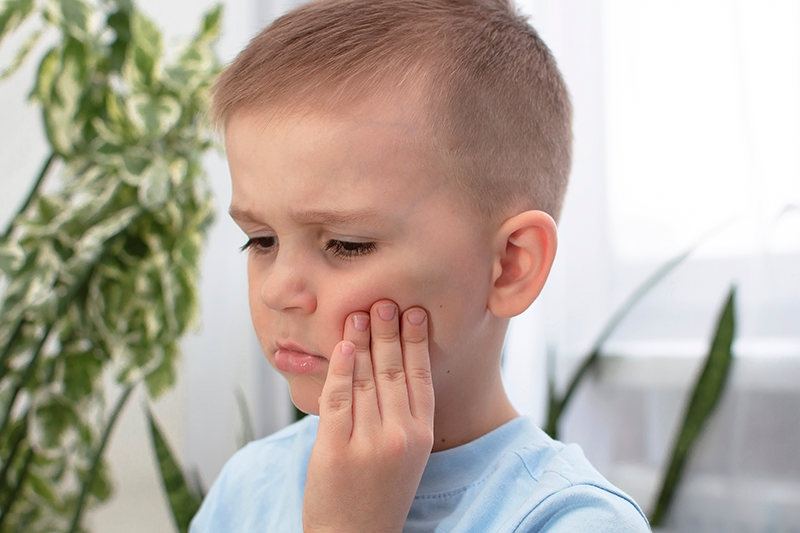
When your child winces while eating ice cream or complains that brushing hurts, it can be worrying for any parent. Sensitive teeth or gums in children are more common than many people realize, and while the discomfort is often manageable, it should never be ignored.
Children may not always know how to explain dental discomfort clearly. They might avoid certain foods, resist brushing, or become unusually cranky during mealtimes. Sometimes, what seems like a minor issue could point to early cavities, gum irritation, enamel wear, or even habits like teeth grinding.
The good news is that with the right dental care habits, diet choices, and regular checkups, sensitive teeth and gums can usually be managed effectively. Parents play a huge role in helping children feel comfortable while protecting their long-term oral health.
Let’s see the best practices for kids with sensitive teeth or gums, what causes sensitivity, how to reduce discomfort at home, and when it’s time to visit a pediatric dentist.
What Causes Sensitive Teeth or Gums in Kids?
 Before jumping into solutions, it helps to understand why sensitivity happens in the first place.
Children’s teeth are still developing, and their enamel the protective outer layer of the teeth is thinner than that of adults. This makes their teeth more vulnerable to irritation from hot, cold, sweet, or acidic foods.
Here are some common causes of tooth and gum sensitivity in children:-
1. Cavities or Tooth Decay
Even small cavities can expose sensitive areas of the tooth and cause pain when eating or drinking.
2. Aggressive Brushing
Brushing too hard can irritate the gums and wear down enamel over time.
3. New Teeth Erupting
When baby teeth or permanent teeth erupt, the surrounding gums can become tender and sensitive.
4. Teeth Grinding (Bruxism)
Some children grind their teeth at night, which may wear down enamel and increase sensitivity.
5. Gum Inflammation
Poor oral hygiene can lead to swollen or bleeding gums, making brushing uncomfortable.
6. Acidic Foods and Drinks
Frequent consumption of citrus juices, sodas, and sugary snacks can weaken enamel.
7. Orthodontic Treatment
Braces and aligners can temporarily increase tooth and gum sensitivity.
8. Cracked or Chipped Teeth
Dental injuries during sports or play may expose sensitive inner layers of the tooth.
Understanding the cause is important because treatment for sensitive gums may differ from treatment for sensitive teeth.
Signs Your Child May Have Sensitive Teeth or Gums
Kids often show subtle signs like
- Complaining about pain while eating hot or cold foods
- Avoiding crunchy or cold snacks
- Crying during brushing
- Bleeding gums
- Swollen or red gums
- Difficulty chewing
- Sensitivity to sweet foods
- Frequently touching their mouth or cheeks
- Avoiding brushing certain areas
- Bad breath caused by gum inflammation
If these symptoms continue for more than a few days, it’s best to schedule a dental checkup.
Best Practices for Managing Sensitive Teeth or Gums in Kids
Helping children with dental sensitivity is usually a combination of gentle oral care, healthy eating habits, and preventive dental visits.
Let’s go through the most effective ways to help.
1. Use a Soft-Bristled Toothbrush
One of the simplest yet most effective changes is switching to a soft-bristled toothbrush. Hard bristles can irritate delicate gums and contribute to enamel wear, especially in children who brush aggressively. Choose a toothbrush designed specifically for children. Smaller brush heads are easier for kids to maneuver and gentler on the mouth. Encourage your child to brush gently in circular motions instead of scrubbing back and forth aggressively. You can even turn brushing into a fun activity by using songs, timers, or reward charts.
2. Choose a Toothpaste for Sensitive Teeth
 Some children benefit from toothpaste designed for sensitive teeth. These toothpastes help block pain signals from the tooth surface to the nerves inside the tooth. However, it’s important to use products suitable for children and approved by your dentist. Avoid strong whitening toothpastes for kids, as they may sometimes increase sensitivity.
What to Look For
- Fluoride-containing toothpaste
- Kid-friendly flavors
- Low-abrasive formulas
- Sensitivity relief ingredients recommended by a dentist
Always supervise younger children during brushing to ensure they use the correct amount of toothpaste.
3. Maintain Good Oral Hygiene Gently
When gums or teeth feel sore, children often want to avoid brushing altogether. Unfortunately, skipping brushing allows plaque buildup, which can make sensitivity worse.
The goal is gentle but consistent cleaning.
Daily Oral Care Routine:
- Brush twice daily for two minutes
- Floss once a day
- Use lukewarm water if cold water causes discomfort
- Replace toothbrushes every 3 months
- Clean along the gumline carefully
Consistency matters more than brushing force.
4. Watch Their Diet Carefully
Diet has a major impact on children’s dental sensitivity.
Acidic and sugary foods weaken enamel and irritate gums, especially if consumed frequently.
Foods and Drinks That May Increase Sensitivity:
- Soft drinks
- Citrus juices
- Sour candies
- Sticky sweets
- Sports drinks
- Ice pops
- Very hot foods
- Extremely cold foods
Tooth-Friendly Alternatives:
- Cheese
- Yogurt
- Milk
- Crunchy vegetables
- Apples
- Bananas
- Water
- Nuts (if age-appropriate)
Encouraging children to drink water after meals can also help rinse away acids and food particles.
5. Limit Sugary Snacks Between Meals
Frequent snacking exposes teeth to constant acid attacks.
Instead of grazing throughout the day, try offering snacks at set times.
Saliva naturally helps protect teeth by neutralizing acids, but constant snacking doesn’t give the mouth enough recovery time.
Healthy snack scheduling can make a surprising difference in reducing tooth sensitivity and cavity risk.
6. Teach Proper Brushing Technique
Many children brush too hard because they think harder brushing cleans better.
In reality, aggressive brushing may damage gums and enamel.
Parents should demonstrate proper brushing techniques regularly.
Easy Technique for Kids:
- Hold the brush at a slight angle
- Use gentle circular motions
- Brush all sides of the teeth
- Don’t rush
- Brush the tongue too
Younger children may need supervision until they develop proper brushing skills.
7. Stay on Top of Dental Checkups
 Routine dental visits are essential for identifying problems early.
Sometimes sensitivity is linked to issues that aren’t visible at home, such as:
- Early cavities
- Enamel defects
- Gum infections
- Teeth grinding
- Orthodontic concerns
- Cracked teeth
Professional dental cleanings also remove plaque buildup that may contribute to gum irritation.
Most children should visit the dentist every six months unless advised otherwise.
8. Consider Fluoride Treatments
Fluoride helps strengthen enamel and reduce sensitivity.
Your pediatric dentist may recommend fluoride varnish or professional fluoride treatments if your child has weak enamel or recurring sensitivity.
These treatments are quick, safe, and commonly used in pediatric dentistry.
Fluoride works by helping teeth resist acid attacks and repairing early enamel damage.
9. Protect Teeth During Sports
Dental injuries can lead to cracked teeth and sensitivity.
If your child plays contact sports or activities with fall risks, wearing a mouthguard is highly recommended.
Custom-fitted mouthguards offer the best protection and comfort.
Even a minor chip or crack can expose sensitive inner layers of the tooth.
10. Address Teeth Grinding Early
Some children grind their teeth while sleeping, often without realizing it.
Parents may hear grinding noises at night or notice symptoms like:
- Morning jaw pain
- Headaches
- Tooth sensitivity
- Flattened teeth
Teeth grinding can wear down enamel and increase discomfort.
A dentist may recommend monitoring the habit or using a night guard in certain cases.
11. Avoid Extremely Hot or Cold Foods
Children with sensitive teeth may react strongly to temperature changes.
Try serving foods at moderate temperatures until the sensitivity improves.
For example:
- Let soups cool slightly
- Avoid ice-cold drinks
- Offer room-temperature water
- Reduce frozen treats temporarily
This can help minimize discomfort while the underlying issue is treated.
12. Encourage Hydration
A dry mouth can increase oral discomfort and allow bacteria to thrive.
Encouraging children to drink enough water throughout the day supports saliva production and overall oral health.
Saliva is important because it naturally protects teeth and gums.
Water is always the best beverage choice for children’s teeth.
13. Be Careful with Whitening Products
Some parents may consider whitening toothpaste for older children or teenagers.
However, many whitening products can increase sensitivity.
Children should only use whitening products under professional dental guidance.
Protecting enamel is far more important than achieving whiter teeth at a young age.
14. Don’t Ignore Bleeding Gums
Many parents assume bleeding gums during brushing are normal.
While mild irritation can happen occasionally, regular bleeding often signals gum inflammation.
Healthy gums generally should not bleed frequently.
Common reasons include:
- Plaque buildup
- Poor brushing technique
- Gingivitis
- Hormonal changes in older children
- Vitamin deficiencies
Early treatment can prevent gum issues from progressing.
15. Create Positive Dental Experiences
Children who fear dental care may avoid brushing or resist dental visits.
Creating positive experiences around oral hygiene can make a huge difference.
Ideas to Make Dental Care Fun:
- Let them choose their toothbrush colour
- Use brushing apps or music
- Reward consistency with stickers
- Read books about dental visits
- Avoid using dental appointments as punishment
The goal is to build healthy habits without stress or fear.
Home Remedies That May Help Temporarily
 While professional dental advice is important, some simple home measures may provide temporary relief.
Safe Options Include:
- Rinsing with lukewarm salt water
- Using a soft toothbrush
- Avoiding trigger foods
- Applying cold compresses for swelling
- Encouraging hydration
However, home remedies should not replace professional care if symptoms continue.
When Should You See a Pediatric Dentist?
Mild sensitivity may come and go, especially during tooth eruption.
But you should schedule a dental visit if your child experiences:
- Persistent tooth pain
- Swollen gums
- Bleeding gums that continue
- Difficulty eating
- Tooth discoloration
- Sensitivity lasting more than a week
- Fever with oral pain
- Broken or chipped teeth
- Pain while brushing regularly
Early intervention often prevents bigger dental problems later.
How Pediatric Dentists Help Sensitive Teeth and Gums
Pediatric dentists are specially trained to manage children’s oral health concerns gently and effectively.
Depending on the cause of sensitivity, treatment may include:
- Fluoride applications
- Dental fillings
- Professional cleaning
- Sealants
- Orthodontic evaluation
- Dietary guidance
- Night guards for grinding
- Gum care recommendations
The approach is usually conservative and focused on long-term prevention.
The Emotional Side of Dental Sensitivity in Kids
Dental discomfort can affect more than just oral health.
Children with ongoing sensitivity may:
- Avoid favorite foods
- Feel anxious about brushing
- Become fearful of dental visits
- Experience disrupted sleep
- Struggle with concentration due to discomfort
Being patient and supportive matters.
Instead of forcing brushing aggressively, try understanding what’s causing the discomfort and addressing it calmly.
Kids respond better when they feel heard and reassured.
Building Lifelong Healthy Habits
 One of the best things parents can do is teach children that oral care is a normal and important part of daily life. Good habits developed early often continue into adulthood. Simple routines like brushing twice daily, choosing healthier snacks, and attending regular dental checkups can significantly reduce future dental issues. Helping children understand why oral care matters also encourages responsibility and confidence. Sensitive teeth or gums in children can be uncomfortable, but in many cases, they are manageable with the right care. Gentle brushing, healthy food choices, regular dental visits, and early attention to symptoms all play an important role in protecting your child’s oral health.
As a parent, paying attention to small signs such as avoiding cold foods or discomfort during brushing can help you identify dental issues early before they become more serious. The key is balance maintaining consistent oral hygiene while ensuring the experience remains comfortable and stress free for your child.
If sensitivity continues or worsens, it is important not to delay seeking professional advice as early dental care can make a significant difference in keeping your child smiling comfortably and confidently. Healthy smiles are built on healthy habits and a little patience goes a long way contact us today at 80037569 to book an appointment with our specialist dentists at Dr Joy Dental Clinic.


