


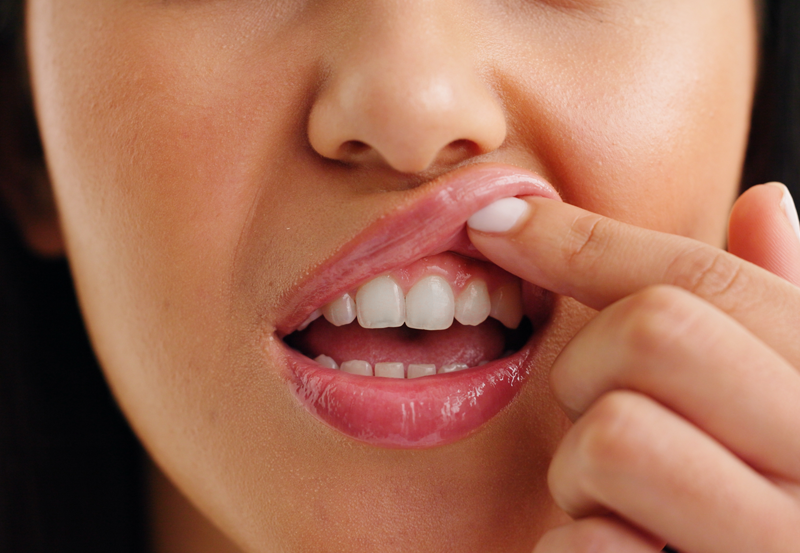
Healthy gums are the foundation of a healthy smile, yet gum disease often goes unnoticed in its early stages. Many people focus only on their teeth and ignore subtle gum changes until the problem becomes painful or severe. The truth is, gum disease can progress quietly, causing lasting damage if left untreated. Recognizing the early warning signs and seeking timely gum treatment can protect not just your smile, but your overall health.
Below are five early signs of gum disease you should never ignore and what to do if you notice them.
1. Bleeding Gums While Brushing or Flossing
One of the earliest and most common signs of gum disease is bleeding gums. If you notice blood when brushing or flossing, it’s easy to assume you’re brushing too hard. However, healthy gums do not bleed easily.
Bleeding is often a sign of gingivitis, the mildest form of gum disease. It occurs when plaque buildup irritates the gum tissue, causing inflammation. While gingivitis is reversible with proper gum treatment, ignoring it however, allows the condition to progress into a more serious periodontal disease. If bleeding happens consistently, it’s time to schedule a dental checkup rather than brushing it off.
2. Red, Swollen, or Tender Gums
 Healthy gums should appear firm and pink, not red or puffy. Swollen or tender gums are a sign that your body is responding to infection or irritation.
Inflamed gums may feel sore when touched or sensitive during eating. This inflammation is caused by bacteria accumulating along the gumline. Without timely gum treatment, inflammation can spread deeper, damaging the tissues and bone that support your teeth.
Early intervention through professional cleaning and proper oral care can reverse inflammation before permanent damage occurs.
3. Persistent Bad Breath or Bad Taste
Occasional bad breath can happen to anyone, but persistent bad breath or a constant bad taste in the mouth can be an early sign of gum disease.
Bacteria trapped in plaque and tartar release toxins that cause unpleasant odors. Mouthwash may temporarily mask the smell, but it won’t address the root cause. This is especially true if gingivitis has progressed below the gumline.
A gum specialist can identify whether chronic bad breath is linked to gum disease and recommend appropriate gingivitis treatment or advanced gum therapy if needed.
4. Gum Recession or Teeth Looking Longer
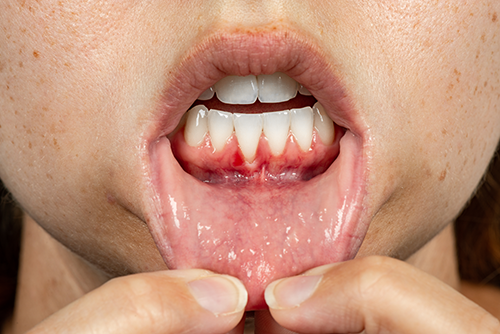 If your teeth appear longer than before, or you notice your gums pulling away from your teeth, this is a sign of gum recession. Receding gums expose the tooth roots, which are more sensitive and vulnerable to decay.
Gum recession often develops slowly, making it easy to miss in the early stages. It can result from untreated gum disease (chronic periodontitis, acute periodontitis), aggressive brushing, clenching or grinding, and finally long term ortho treatment.
Once gum tissue recedes, it does not grow back on its own. Early diagnosis during a routine dental checkup can prevent further damage and help determine the most effective gum treatment options.
5. Increased Tooth Sensitivity or Loose Teeth
Sensitivity to hot or cold foods may not always be a tooth problem it can also indicate gum disease. When gums recede, the exposed roots lack protective enamel, making them more sensitive.
In more advanced cases, gum disease can weaken the supporting structures of the teeth, leading to looseness or shifting. This is a serious warning sign that requires immediate attention from a gum specialist.
Prompt treatment can help stabilize teeth and prevent tooth loss, but delays can lead to irreversible damage.
Why Early Treatment Matters
Gum disease doesn’t just affect your mouth. Research has linked untreated periodontal disease to systemic conditions such as heart disease, diabetes complications, and respiratory infections. Addressing early signs through professional gingivitis treatment and routine dental care can significantly reduce these risks.
Early-stage gum disease is often painless, which is why regular dental visits are crucial. A dentist or gum specialist can detect subtle changes long before symptoms become severe.
What to Do If You Have These Signs
If you experience any of these symptoms, don’t wait for them to worsen. Here’s what you should do:
- Schedule a comprehensive dental checkup
- Maintain proper brushing and flossing habits
- Follow professional advice for gum treatment
- Visit a gum specialist if recommended for advanced care
- Early action not only saves your gums but also reduces treatment time, cost, and discomfort.
Your gums play a vital role in your oral and overall health. Bleeding, swelling, bad breath, gum recession, and tooth sensitivity are not normal and they are not signs you should ignore. The good news is that early gum disease is highly treatable with timely gingival treatment and expert care.
Regular dental checkups and professional gum treatment can help you maintain healthy gums and a confident smile for years to come. If something feels off with your gums, trust your instincts and seek professional help early it can make all the difference. Contact us today at 80037569 to book appointments with our gum specialists at Dr Joy Dental Clinic for your gum issues.


