



Teething is an exciting yet sometimes challenging milestone in a child’s early development. While parents eagerly anticipate their baby’s first smile full of tiny teeth, the process of teething can impact a child’s oral health in ways that require attention and care. Understanding the effects of teething and knowing how to support your child can help ensure healthy teeth and a positive experience for both parents and children.
 Teething typically begins around six months of age, although some babies may start earlier or later. The process involves the emergence of primary teeth, often called baby teeth, through the gums. While this is a natural part of growth, it can sometimes cause discomfort, irritability, and even minor changes in a child’s oral health.
During teething, gums may appear swollen or tender, and babies might drool more than usual. Some may refuse food or chew on objects to relieve discomfort. While these symptoms are common, they can sometimes lead to oral issues if not properly monitored.
How Teething Impacts Oral Health
Gum Sensitivity and Swelling
Teething can make a child’s gums sensitive, which may increase the risk of minor gum injuries. Irritated gums can be more susceptible to bacterial infections if proper oral hygiene is not maintained.
Changes in Eating Habits
Due to gum discomfort, children may avoid certain foods, leading to inconsistent nutrition. A lack of nutrients like calcium and vitamin D can indirectly affect the development of healthy teeth.
Increased Drooling and Mouth Rubbing
Excessive drooling is common during teething. While harmless, constant moisture can sometimes irritate the skin around the mouth. Additionally, babies may rub their mouths frequently, which could introduce bacteria if hands are not clean.
Risk of Early Tooth Decay
Even before all baby teeth appear, teething can make certain areas of the mouth more prone to plaque accumulation. If a child’s dental care routine is delayed, early signs of tooth decay can develop.
Steps that parents should follow
Fortunately, there are several proactive steps parents can take to support their child’s oral health during teething:
- Schedule a Dental Check-Up Early
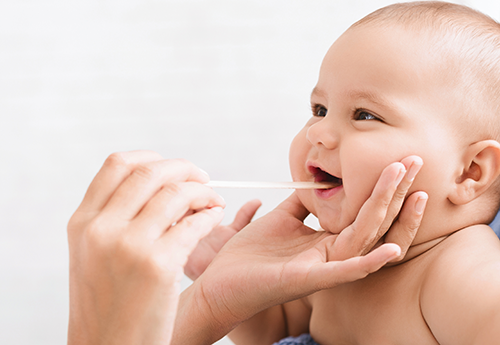 Visiting a pediatric dentist when your child’s first tooth appears is crucial. Early dental check-ups allow dentists to monitor tooth development, address potential issues, and provide guidance on proper oral care. A dental clinic experienced in pediatric care can offer advice tailored to your child’s specific needs.
- Maintain Proper Oral Hygiene
Even before all teeth emerge, parents should gently clean a child’s gums with a soft, damp cloth. Once teeth appear, brushing twice daily with a soft-bristled toothbrush and a small amount (the size of a rice grain) of fluoride toothpaste is recommended. Regular guidance from dentists ensures that your child’s dental care habits start on the right foot.
- Provide Teething Relief Safely
Teething rings, cold washcloths, or other safe teething toys can help relieve discomfort. Avoid teething products containing harmful substances and consult your pediatric dentist before using any medicated gels.
- Monitor Eating Habits
Offer soft, nutritious foods that are easy to chew. Encourage a balanced diet to support the development of strong teeth and healthy gums. Avoid giving sugary snacks or drinks that may contribute to early tooth decay.
- Practice Regular Dental Care at Home
Establishing a consistent dental care routine at home is vital. Parents can help children develop good habits early by brushing, rinsing, and wiping gums as instructed by dentists. Consistency will make future dental check-ups smoother and more effective.
- Watch for Signs of Oral Problems
While teething is generally normal, watch for signs of infection, persistent swelling, or unusual discomfort. Contact your pediatric dentist promptly if you notice these symptoms, as early intervention can prevent more serious issues.
Role of Pediatric Dentists and Dental Clinics
Pediatric dentists specialize in managing children’s oral health. They can provide personalized guidance for teething, dental care routines, and preventive measures. Regular visits to a trusted dental clinic allow dentists to track your child’s growth and catch potential problems early.
If your child is experiencing persistent gum pain, unusual swelling, or any concerns during teething, contact us today at 80037569 to book an appointment with our Specialist pediatric dentists at Dr Joy Dental Clinic. With the right guidance and care, teething discomfort can be managed effectively, ensuring your child’s smile, comfort, and oral health are protected.


