



We often brush off jaw discomfort as stress, poor posture, or a long day of talking. But when jaw pain becomes frequent or starts affecting daily activities, it could be a sign of a TMJ disorder, a condition affecting the temporomandibular joint, which connects your jaw to your skull.
The TMJ is one of the most complex joints in the body. It allows you to talk, chew, yawn, and smile. When it’s not functioning properly, even simple movements can become uncomfortable or painful. Recognizing the early symptoms is key, as timely TMJ treatment can prevent long-term complications.
Here are 7 TMJ symptoms you shouldn’t ignore.
1. Persistent Jaw Joint Pain
Occasional jaw discomfort isn’t uncommon, but ongoing jaw joint pain is not something to dismiss. TMJ-related pain may feel dull, aching, or sharp and is often worse when chewing, speaking, or yawning. Some people notice pain on one side of the jaw, while others feel it on both sides.
If jaw pain lasts more than a few days or keeps returning, it’s your body signaling that something isn’t right. Early evaluation can help determine whether TMJ treatment is needed before the condition worsens.
2. Clicking or Popping Sounds in the Jaw
Do you hear a clicking, popping, or grinding sound when opening or closing your mouth? While jaw sounds aren’t always painful, they can be an early sign of TMJ dysfunction.
These noises often occur when the cartilage disc inside the joint moves out of place. If clicking is accompanied by pain, stiffness, or limited movement, it’s important to seek professional advice. Ignoring these sounds can lead to increased jaw joint pain over time.
3. Difficulty Opening or Closing Your Mouth
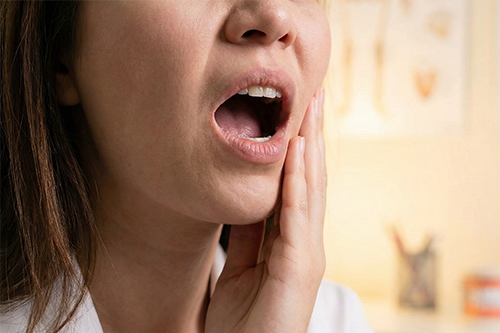 If your jaw feels stiff, tight, or occasionally “locks” in an open or closed position, this could indicate a TMJ issue. Limited jaw movement can make eating, speaking, and yawning uncomfortable or stressful.
Jaw locking may happen suddenly and can be frightening. This symptom often points to joint inflammation or disc displacement and should not be ignored, as prompt TMJ treatment can help restore normal movement.
4. Frequent Headaches or Migraines
Many people don’t realize that TMJ disorders are closely linked to chronic headaches. The jaw joint sits near muscles and nerves that extend into the head and neck. When the TMJ is under strain, it can trigger tension headaches or migraines.
If you experience frequent headaches along with jaw pain, facial soreness, or teeth clenching, the TMJ could be the underlying cause. Treating the jaw joint often leads to noticeable relief from recurring headaches.
5. Ear Pain or Ringing (Without an Ear Infection)
TMJ symptoms can easily be mistaken for ear problems. Because the jaw joint is located close to the ears, TMJ disorders may cause ear pain, pressure, fullness, or ringing (tinnitus), even when there’s no infection present.
If ear discomfort persists and medical tests show no ear-related cause, jaw joint pain may be the real issue. Addressing the TMJ can often relieve these frustrating ear symptoms.
6. Facial, Neck, or Shoulder Pain
TMJ disorders don’t only affect the jaw. Pain can spread to the face, neck, shoulders, and even the upper back. Muscle tension caused by jaw misalignment or clenching can create a chain reaction of discomfort.
Many patients are surprised to learn that their neck or shoulder pain is connected to their jaw. A comprehensive TMJ treatment plan often focuses on relieving muscle strain throughout the entire jaw-neck system.
7. Teeth Grinding or Clenching (Especially at Night)
 Grinding or clenching your teeth, known as bruxism, puts excessive pressure on the jaw joint. Over time, this can lead to inflammation, jaw pain, worn teeth, and even fractures.
Many people grind their teeth unconsciously during sleep and only realize it when they wake up with jaw soreness or headaches. Managing bruxism is a crucial part of effective TMJ treatment and helps protect both your jaw joint and teeth.
Why Early TMJ Treatment Matters
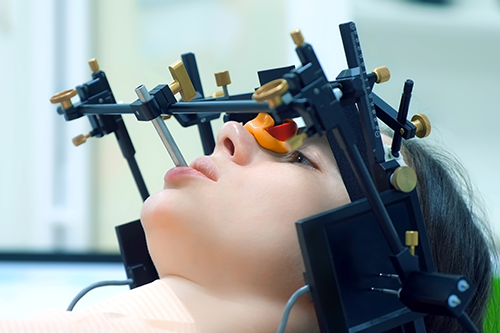 Ignoring TMJ symptoms can allow the condition to progress, leading to chronic pain, joint damage, and reduced quality of life. The good news is that most TMJ disorders respond well to early, conservative treatment.
TMJ treatment options may include:
- Custom oral splints or night guards
- Condylography
- Muscle relaxation techniques
- Jaw exercises and physiotherapy
- Lifestyle and stress management guidance
- Key hole or arthroscopic joint surgery for advance and severe cases with long term jaw dysfunction
- Open joint surgery if all of the above fails.
A proper diagnosis helps identify the root cause of jaw joint pain and ensures treatment is tailored to your needs.
Whether it’s clicking sounds, headaches, or ongoing discomfort, your jaw is trying to tell you something. Paying attention to early TMJ symptoms can save you from long-term pain and complications.
If you’re experiencing persistent jaw pain, facial discomfort, or any of the symptoms above, contact us today at 80037569 to book an appointment with TMJ Specialists at Dr Joy Dental Clinic. With the right TMJ treatment, relief is possible, and your smile, comfort, and confidence can be restored.


