


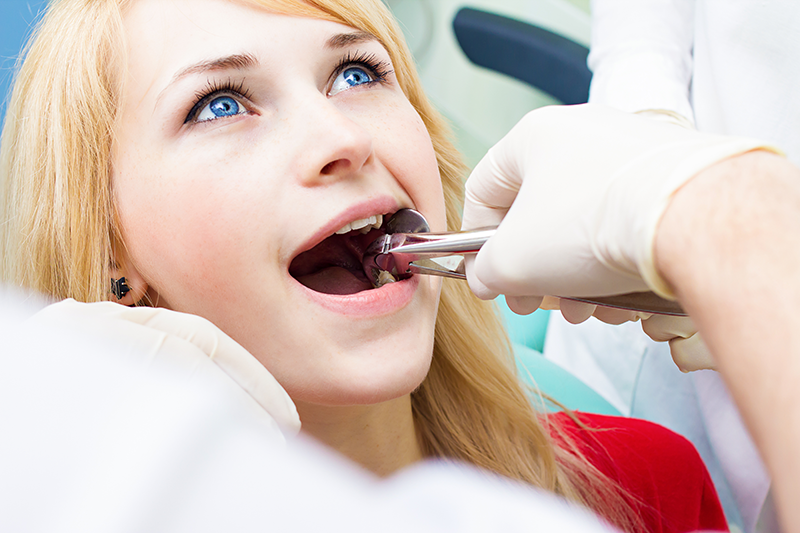
Wisdom teeth, also known as third molars, are the last set of teeth to appear, usually emerging between the ages of 17 and 25. For some people, these teeth erupt normally without causing any problems. However, in many cases, wisdom teeth don’t have enough space to grow properly. When this happens, they become impacted, meaning they are trapped under the gum or jawbone, or they erupt at an angle.
While impacted wisdom teeth are common, they should not be ignored. Left untreated, they can lead to pain, infection, and a variety of oral health problems. Let’s see how impacted wisdom teeth may affect your oral health and why timely dental care is essential.
1. Discomfort and Pain
One of the most immediate signs of impacted wisdom teeth is pain. As the tooth pushes against neighbouring teeth or the jawbone, it can create constant discomfort that radiates to the ear, jaw, or head.
This pain may start as a dull ache but can become sharp and persistent, making it difficult to chew, speak, or even concentrate at work or school.
2. Gum Infections
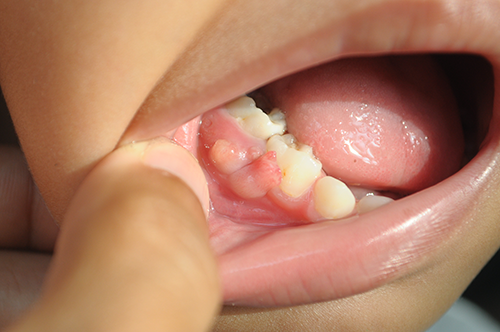 When a wisdom tooth only partially erupts, it leaves a flap of gum tissue that easily traps food particles and bacteria. This creates the perfect environment for infection, known as pericoronitis.
Symptoms include:
- Red, swollen gums
- Bad breath
- Difficulty opening your mouth
- A bad taste in your mouth
If left untreated, the infection can spread to surrounding tissues, leading to more severe complications.
3. Tooth Decay
Partially erupted or misaligned wisdom teeth are harder to clean properly. Their position at the back of the mouth makes brushing and flossing difficult, allowing plaque and bacteria to accumulate.
Over time, this buildup can lead to tooth decay, not only in the wisdom tooth itself but also in the neighbouring second molars.
4. Gum Disease
Poor cleaning around impacted wisdom teeth doesn’t just cause cavities—it can also affect your gums. Bacteria buildup leads to gingivitis, the first stage of gum disease. If untreated, this may progress to periodontitis, a serious condition that can cause gum recession, bone loss, and tooth loss.
For professionals and students alike, gum disease can impact overall confidence and oral function.
5. Damage to Neighbouring Teeth
When wisdom teeth grow at an angle, they can press against adjacent teeth, causing pressure and damage. This may lead to:
- Tooth root resorption (gradual wearing away of the root of the nearby tooth)
- Crowding or shifting of teeth
- Increased risk of infection between teeth
In some cases, this can undo years of orthodontic work, requiring additional treatment to restore alignment.
6. Cysts and Jaw Problems
Sometimes, impacted wisdom teeth develop a sac within the jawbone that can fill with fluid, forming a cyst. While rare, these cysts can damage the jawbone, nerves, and surrounding teeth. In more severe cases, benign tumors can develop, requiring surgical removal of tissue and bone.
7. Jaw Stiffness and Headaches
Impacted wisdom teeth can contribute to jaw stiffness and even headaches. The pressure they create in the jaw joint (temporomandibular joint or TMJ) may lead to discomfort that radiates upward, mimicking tension headaches.
For those with demanding schedules, these symptoms can significantly affect daily productivity and well-being.
8. Bad Breath and Unpleasant Taste
 The difficulty in cleaning around impacted wisdom teeth often results in lingering food particles and bacterial growth. This not only increases the risk of infection but also leads to persistent bad breath and a constant unpleasant taste in the mouth.
Not everyone experiences immediate symptoms with impacted wisdom teeth, which is why regular dental check-ups are so important. Dentists can detect potential issues early using X-rays and recommend whether removal is necessary. If you suspect you have impacted wisdom teeth, don’t wait until the pain becomes unbearable. Call us today at 80037569 to book an appointment with or oral surgeon at Dr Joy Dental Clinics to undergo professional assessment and treatment.


