


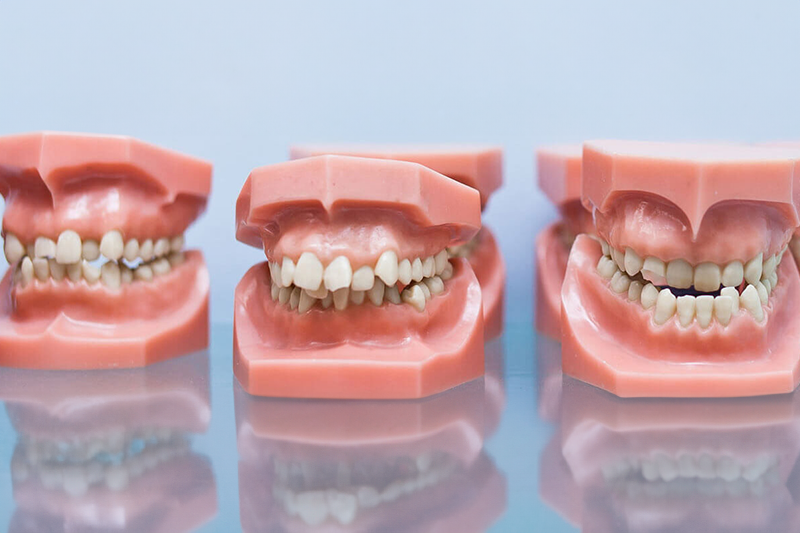
A proper bite, also known as occlusion, is essential for maintaining optimal oral health and overall well-being. However, when the upper and lower teeth don’t meet correctly, it can lead to a condition known as malocclusion, or a “misaligned bite.” Malocclusion can manifest in various forms, ranging from mild to severe, and can cause a range of problems affecting dental health, facial aesthetics, and even systemic health. Let’s examine in detail the problems caused by a misaligned bite.
1. Difficulty chewing and eating
One of the most common problems associated with a misaligned bite is difficulty chewing and eating. When teeth are not properly aligned, it can affect the ability to bite and chew food efficiently. This can lead to discomfort, food getting stuck between the teeth, and even difficulty swallowing. In severe cases, a misaligned bite can contribute to digestive problems and malnutrition due to the inability to break down and digest food properly.
2. Increased risk of tooth erosion and damage
Malocclusion can also increase the risk of tooth wear and tear. When teeth are not properly aligned, certain teeth may be subjected to excessive force or pressure during chewing and speaking. Over time, this can lead to uneven wear, chipping, or breakage. Additionally, misaligned teeth may be more prone to cavities and gum disease because it is more difficult to clean between them effectively.
3. Temporomandibular joint disorders and jaw pain
 Temporomandibular joint (TMJ) disorders are another common problem associated with a malocclusion. When the upper and lower jaws are not properly aligned, it can put stress on the TMJ, the joint that connects the jawbone to the skull. This can lead to symptoms such as jaw pain and stiffness, clicking or popping sounds, and difficulty opening or closing the mouth. Untreated TMJ disorders can significantly impact quality of life and may require specialized treatment to relieve symptoms.
4. Facial aesthetic concerns
Malocclusion can also affect facial aesthetics, leading to concerns about appearance and self-confidence. Depending on the type and severity of the malocclusion, it may cause noticeable asymmetry or distortion of facial features, such as a protruding or recessed jaw, uneven smile lines, or a crooked facial shape. These aesthetic concerns can significantly impact self-esteem and may contribute to social anxiety or a reluctance to smile openly.
5. Speech disorders
A poor bite can interfere with proper speech production, leading to speech impairment or difficulties. Malocclusion can cause stuttering, stammering, or difficulty pronouncing certain sounds, especially those involving the tongue and teeth. Children with malocclusion may experience delays in speech development or require speech therapy to address their speech problems.
6. Increased risk of developing dental problems
Malocclusion is often associated with an increased risk of various dental problems, including gum disease, tooth decay, root resorption, and orthodontic issues.
7. Psychological and emotional impact
Individuals with a malocclusion may experience feelings of shame or dissatisfaction with their appearance. This can affect their social interactions, relationships, and overall quality of life. Treating malocclusion through orthodontic treatment can improve self-confidence and self-esteem, leading to a more positive outlook on life.
Therefore, a misaligned bite or malocclusion can lead to a range of problems affecting dental health, facial aesthetics, and overall well-being. If you are experiencing such issues, please don’t hesitate to contact Dr. Joy Dental Clinics at 800 37569 to schedule an appointment with one of our orthodontists for bite correction.


