



Getting a tooth removed can feel a little intimidating. Whether it’s a wisdom tooth, a severely damaged tooth, or part of a larger dental treatment plan, most people leave the clinic wondering whether the healing is normal.
It’s a valid concern. After a tooth extraction, your mouth goes through several natural healing stages. Some discomfort, swelling, and sensitivity are completely expected. But because everyone heals differently, it can sometimes be difficult to tell the difference between normal recovery and signs of a problem.
The good news is that most tooth extractions heal without complications when proper aftercare is followed. Understanding what happens during the healing process can help you feel more confident, reduce anxiety, and know exactly when it’s time to contact your dentist.
Let’s explore the normal stages of tooth extraction healing, what symptoms are considered healthy, warning signs to watch for, and tips to help your mouth recover faster.
What Happens After a Tooth Extraction?
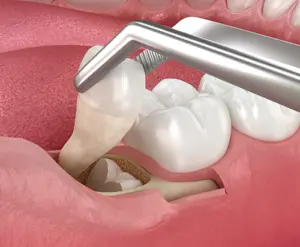 When a tooth is removed, your body immediately begins repairing the area. The empty space left behind is called the extraction socket, and your body starts healing it almost right away.
The healing process generally happens in stages:
- Blood clot formation
- Tissue healing
- Gum closure
- Bone regeneration
Each stage is important. One of the biggest priorities during the first few days is protecting the blood clot that forms inside the socket. This clot acts like a protective layer over the bone and nerves underneath while new tissue develops.
If the clot becomes dislodged too early, it can lead to complications like dry socket, which can be quite painful.
Signs That Your Tooth Extraction Is Healing Normally
Every person heals at a slightly different pace, but there are several common signs that indicate your recovery is progressing well.
1. Mild Bleeding During the First 24 Hours
A small amount of bleeding or blood-tinged saliva is completely normal after an extraction. Most patients notice slight oozing for several hours after the procedure.
The bleeding should gradually decrease over time.
You may notice:
- Pink saliva
- Minor spotting on gauze
- Slight bleeding when changing gauze pads
This is usually nothing to worry about unless the bleeding becomes heavy or continues for an extended period.
2. Swelling Around the Extraction Area
Swelling is one of the body’s natural responses to surgery or trauma. It commonly appears around the cheeks, jaw, or gums near the extraction site.
Typically:
- Swelling peaks within 48 to 72 hours
- It slowly improves afterward
- Ice packs help reduce inflammation
For wisdom tooth extractions, swelling can sometimes look more dramatic, especially if the teeth were impacted.
As long as the swelling gradually improves after a few days, healing is usually on track.
3. Mild to Moderate Pain That Improves Daily
Some discomfort is expected after the numbness wears off. Most people describe the pain as soreness, tenderness, or throbbing around the extraction area.
Normal healing pain usually:
- Is manageable with prescribed or over-the-counter medication
- Improves each day
- Feels less intense after the first 2–3 days
Pain that steadily decreases is generally a positive sign.
4. Formation of a Dark Blood Clot
Many patients become alarmed when they look inside the extraction site and notice a dark red or black-looking area.
In reality, this is often the blood clot and it’s essential for healing.
The clot:
- Protects the bone and nerves
- Helps tissue regenerate
- Prevents infection
Avoid touching the area with your tongue, fingers, or objects because disturbing the clot can interrupt healing.
5. White or Yellowish Tissue Appearing Over the Socket
A lot of people mistake this for infection, but in many cases, it’s actually part of the normal healing process.
As the gums heal, you may notice:
- White tissue
- Cream-colored layers
- Slight yellowish appearance
This is often granulation tissue, which is new connective tissue forming over the extraction site.
If there is no severe pain, bad odor, or swelling, this is usually completely normal.
6. Gradual Closing of the Gum Tissue
Over time, the gum tissue begins shrinking and closing over the socket.
The timeline depends on:
- The size of the extraction
- Whether the tooth was impacted
- Your general health
- Smoking habits
- Oral hygiene
Smaller extraction sites may close within a few weeks, while extraction of larger wisdom tooth sockets can take longer.
Normal Tooth Extraction Healing Timeline
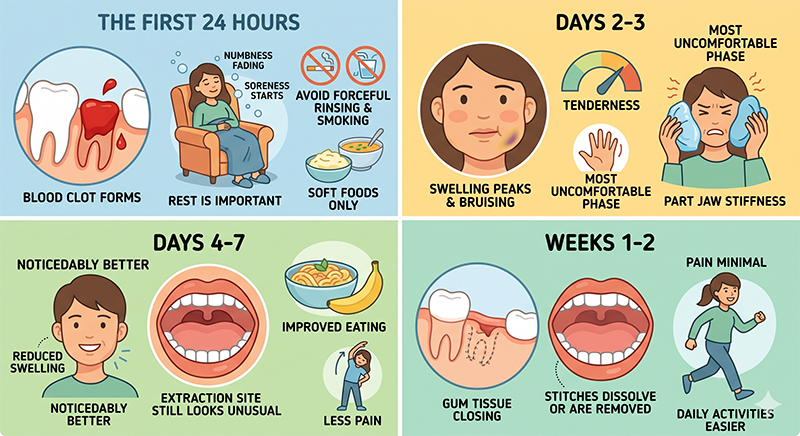
Understanding the general healing timeline can help reduce unnecessary worry after a tooth extraction.
In the first 24 hours, a blood clot forms at the site, mild bleeding may occur, numbness wears off, and soreness begins. During this stage, rest is important along with avoiding forceful rinsing, smoking, and sticking to soft foods.
From days 2–3, swelling typically peaks, along with jaw stiffness, mild bruising, and tenderness. This is often the most uncomfortable phase, but it is still considered a normal part of healing.
By days 4–7, most patients start feeling noticeably better with reduced swelling, less pain, improved eating ability, and decreasing sensitivity. Although the extraction site may still look unusual, this is usually not a cause for concern.
During weeks 1–2, gum tissue continues to close, pain is usually minimal, and daily activities become easier. If stitches were placed, they may dissolve or be removed during this period.
Several Weeks to Months
Even though the gums may appear healed, the bone underneath continues regenerating for several months. Complete healing can vary depending on the complexity of the extraction.
Signs Your Tooth Extraction May NOT Be Healing Normally
While most recoveries are uncomplicated, certain symptoms should never be ignored.
1. Severe Pain After Initial Improvement
One of the biggest warning signs is pain that suddenly becomes worse instead of better.
This could indicate:
- Dry socket
- Infection
- Irritated nerves
Dry socket commonly develops a few days after extraction if the blood clot becomes dislodged.
Symptoms may include:
- Intense throbbing pain
- Pain spreading to the ear or jaw
- Bad taste in the mouth
- Visible empty socket
2. Persistent Heavy Bleeding
Light oozing is normal. However, continuous heavy bleeding is not.
You should contact your dentist if:
- Gauze becomes soaked quickly
- Bleeding continues beyond 24 hours
- Large blood clots form repeatedly
3. Swelling That Gets Worse After Several Days
Swelling should gradually improve after the third day.
Increasing swelling may indicate:
- Infection
- Trapped food debris
- Delayed healing
Especially seek attention if swelling is accompanied by:
- Fever
- Difficulty swallowing
- Trouble breathing
4. Foul Smell or Bad Taste
A persistent unpleasant odor or taste may be a sign of infection or dry socket.
Normal healing should not produce a strong foul smell.
5. Fever or Chills
A mild temperature increase immediately after surgery may happen occasionally, but fever combined with swelling and pain should be evaluated.
This can indicate infection requiring professional care.
6. Pus Around the Extraction Site
White healing tissue is normal.
However, thick discharge or pus is not.
Signs of possible infection include:
- Yellow or green drainage
- Swollen gums
- Persistent throbbing pain
What Does Dry Socket Feel Like?
Dry socket is one of the most talked-about complications after tooth extraction because it can be very uncomfortable.
It happens when:
- The blood clot dissolves too early
- The clot becomes dislodged
- Bone and nerves become exposed
Common symptoms:
- Severe throbbing pain
- Pain radiating toward the ear
- Empty-looking socket
- Bad breath
- Pain that worsens several days after extraction
Not everyone develops dry socket, but smokers and people who use straws too early may have a higher risk.
How to Help Your Tooth Extraction Heal Properly
Good aftercare can significantly improve healing and reduce complications.
Following Dentist’s Instructions
Every extraction is slightly different. Following your dentist’s specific instructions is extremely important.
These may include:
- Medication guidance
- Cleaning instructions
- Dietary recommendations
- Activity restrictions
Eat Soft Foods
After a tooth extraction, it is important to choose foods that are easy to chew and gentle on the healing site. Good options include yogurt, mashed potatoes, soup, smoothies, scrambled eggs, and oatmeal, as these foods help maintain nutrition without irritating the area. At the same time, avoid hard foods, crunchy snacks, spicy foods, and items like seeds and nuts, as they can disturb the extraction site and delay healing.
Stay Hydrated
 Drinking water helps support healing.
However:
- Avoid straws for several days
- Avoid carbonated drinks initially
- Limit alcohol consumption
The suction from straws can disturb the blood clot.
Keep the Area Clean
Maintaining oral hygiene is important, but be gentle around the extraction site.
Usually dentists recommend:
- Saltwater rinses after 24 hours
- Gentle brushing
- Avoiding aggressive rinsing
Good hygiene helps prevent infection.
Avoid Smoking
Smoking is one of the biggest risk factors for delayed healing and dry socket.
The chemicals and suction involved can interfere with clot formation and tissue repair.
Avoiding smoking, even temporarily, can greatly improve recovery.
When Should You Contact Your Dentist?
It’s always better to ask questions if something feels unusual.
You should contact your dentist if you experience:
- Severe worsening pain
- Excessive bleeding
- Fever
- Pus discharge
- Swelling that worsens
- Difficulty breathing or swallowing
- Persistent numbness
- Bad odor from the extraction site
Early treatment can prevent more serious complications.
Tips for a Smoother Recovery
Here are some simple ways to make healing easier:
- Rest Properly
Your body heals faster when you allow it adequate rest.
- Sleep with Your Head Elevated
This may help reduce swelling during the first few nights.
- Use Ice Packs
Cold compresses can minimize swelling and discomfort.
- Avoid Touching the Area
Constantly checking the socket can disturb healing tissue.
- Be Patient
The mouth heals surprisingly well, but full recovery still takes time.
Is It Normal to Still Have a Hole After Extraction?
Yes. Even after the gums begin healing, the socket may still appear as a small hole for several weeks or even months, especially after wisdom tooth extraction.
Over time:
- Tissue fills in gradually
- Bone regenerates underneath
- The opening becomes smaller
As long as pain and swelling are improving, this is typically normal. If there is no pain or discomfort, avoid constantly checking inside your mouth or repeatedly touching the area with your tongue, as it can slow down healing or cause unnecessary irritation.
 Healing after a tooth extraction can sometimes feel unpredictable, especially during the first few days, but mild pain, swelling, blood clot formation, and gradual gum closure are all normal parts of the recovery process. In most cases, healing improves a little every day as the body repairs the area naturally. The key is understanding the difference between expected symptoms and warning signs that require professional attention such as severe pain, worsening swelling, persistent bleeding, or foul-smelling discharge, which should never be ignored. Most importantly, following your dentist’s aftercare instructions, avoiding disturbance to the extraction site, and allowing your body adequate time to heal will support a smooth recovery. With proper care, most patients return to normal activities sooner than expected. Contact us today at 80037569 to book an appointment with our specialist oral surgeons at Dr Joy Dental Clinics.


